
Key facts
- Status
- Quick Brief
- Coverage
- Research
- Primary record
- 1 source
- Last checked
- July 18, 2026
What the source claims
The following points are attributed to the organizations in the source record; AI Wire has not independently reproduced them.
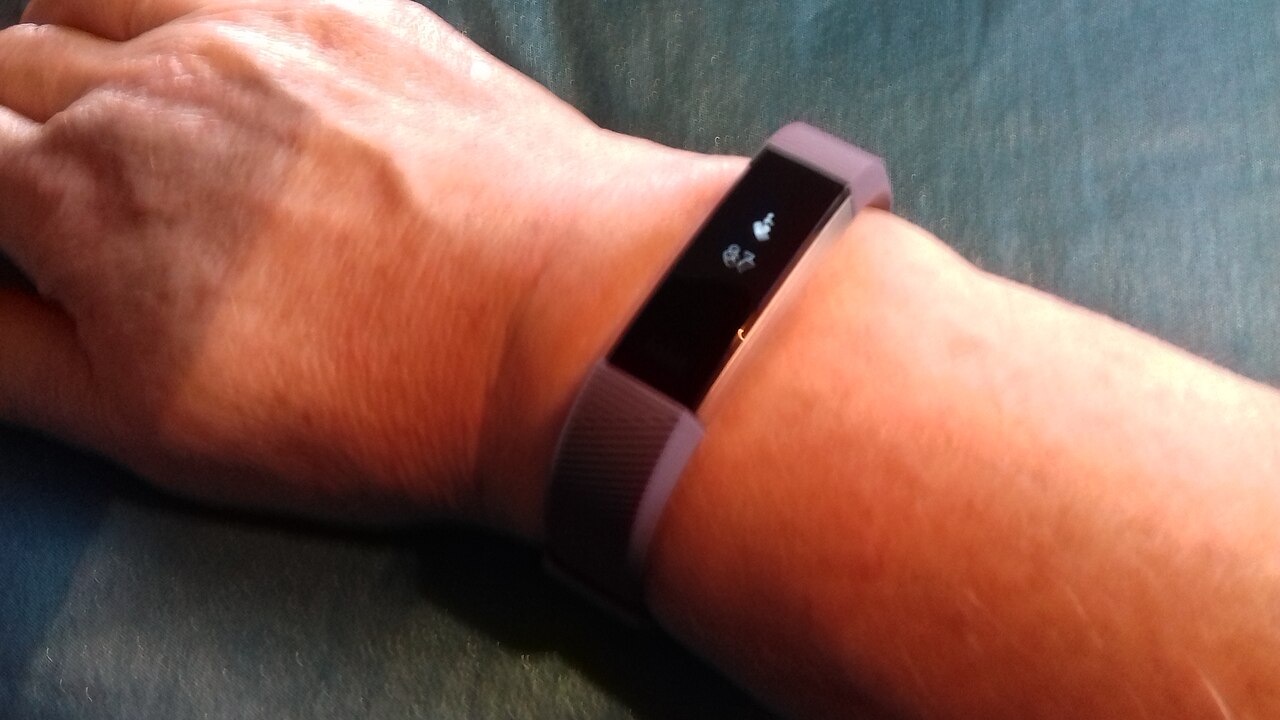
- Google researchers report that SensorFM was pre-trained on more than one trillion minutes of de-identified wearable data from five million consented participants.
- The researchers say the model transfers across 35 wearable-data prediction tasks.
What remains unknown
- Clinical usefulness, subgroup performance, privacy protections, and performance outside the reported research setting.
- Whether independent teams can reproduce the reported transfer results.
Topics in this brief
- Research
- Wearables
- Health AI
What to watch
- Peer-reviewed details, subgroup analyses, independent replication, and prospective clinical evaluation.
Sources and evidence
Google Research — SensorFM ↗
Accessed 2026-07-18. Claims above remain attributed to this source rather than presented as independent verification.
Corrections and updates
No corrections have been issued for this brief.
Last checked: July 18, 2026.
Request a correction →